Author of this blog, Rahul Bhusari is the Director of Infinite Journeys, with two decades of experience exploring and curating offbeat journeys across the Globe.
Why Bastar Is the Perfect Post-Ganpati Getaway for Punekars
Every Punekar spends the entire year waiting to welcome Bappa home, and when He finally arrives, Pune transforms into a vibrant celebration of devotion, family, food, music, and endless energy. From shopping for flowers and makhars to making ukdiche modaks and hopping between darshans, the city comes alive in a way that is uniquely Puneri.
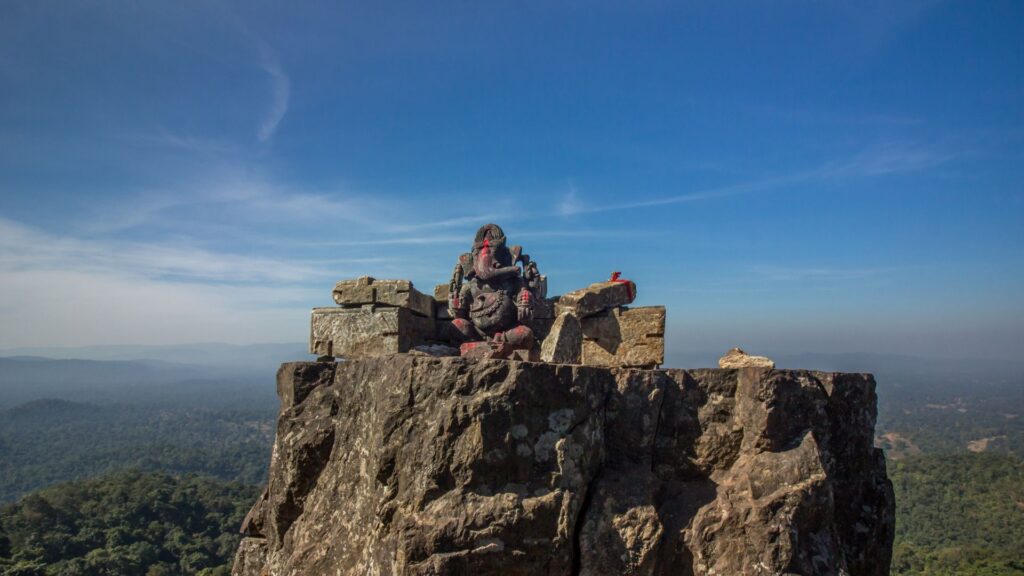
But after ten days of festivities, emotional farewells, crowded roads, loud processions, and nonstop activity, many Punekars find themselves craving a different kind of experience, a few days of peace, greenery, and silence. That is why post-Ganpati escapes have become increasingly popular, and few places offer a better reset than Bastar in Chhattisgarh, where dense forests, hidden waterfalls, rich tribal culture, and a slower pace of life provide the perfect antidote to the festive rush.
Here are six reasons why Bastar should be on your radar this Ganpati season.
1. Why a Bastar Tour from Pune Fits Perfectly Into a Long Weekend
The timing couldn’t be better.
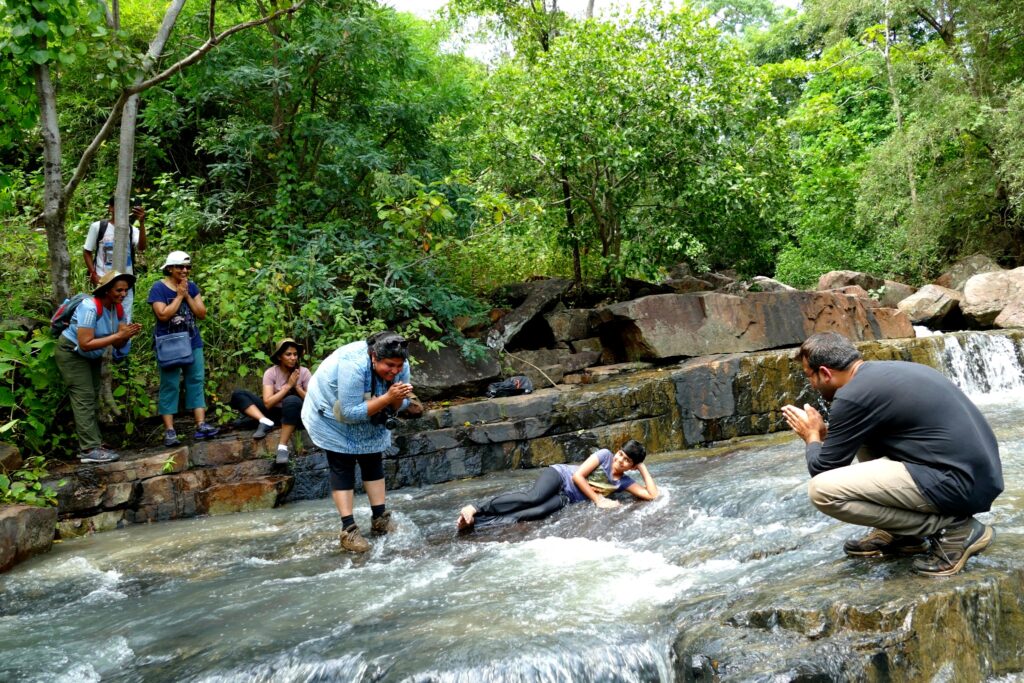
Ganpati holidays already provide a convenient long weekend, and Bastar requires just four days to experience its highlights without feeling rushed. Instead of spending those days navigating traffic diversions and crowded streets, you can find yourself standing beside roaring waterfalls, walking through tribal markets, and discovering a side of India that remains wonderfully untouched.
2. Planning a Bastar Tour Has Never Been Easier
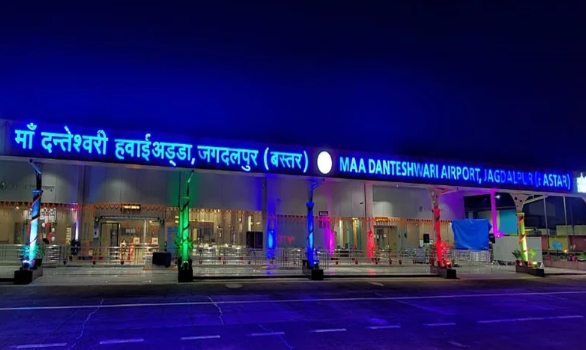
Even better, Bastar has become significantly more accessible in recent years. Improved air connectivity through Jagdalpur has made reaching the region far easier than before. For travellers from Pune, this means a comfortable journey in and out, making Bastar a practical holiday option rather than an expedition.
3. The Best Time to Witness Bastar’s Waterfalls
One of the greatest reasons to visit Bastar during September is that the monsoon has just worked its magic.
The forests are lush. The landscape is emerald green. Rivers are flowing at full strength. And most importantly, Bastar’s famous waterfalls are at their spectacular best.
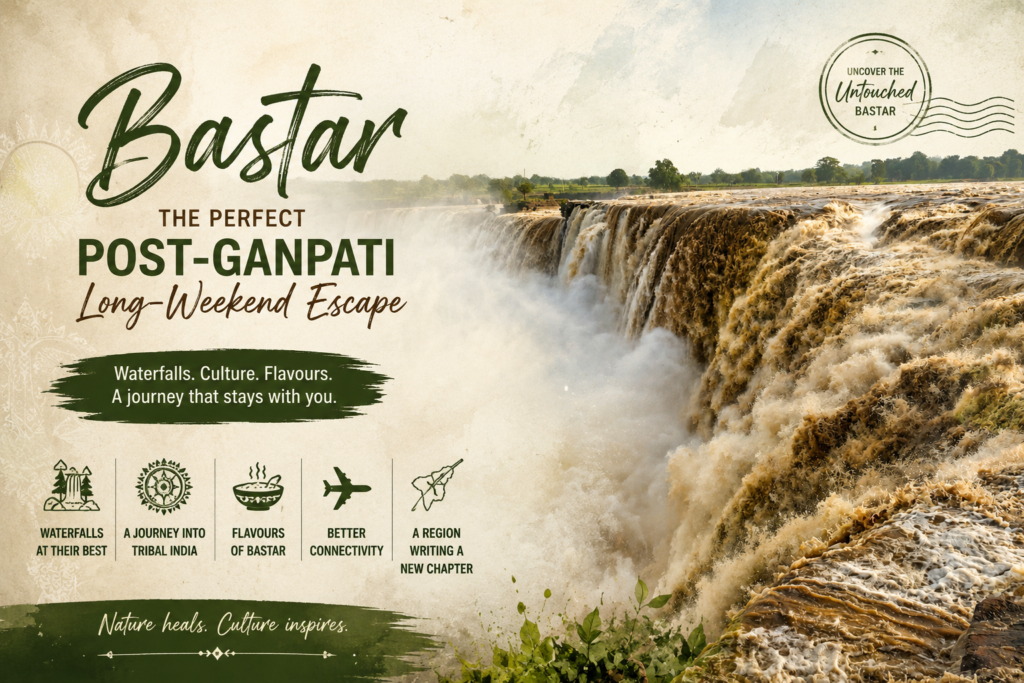
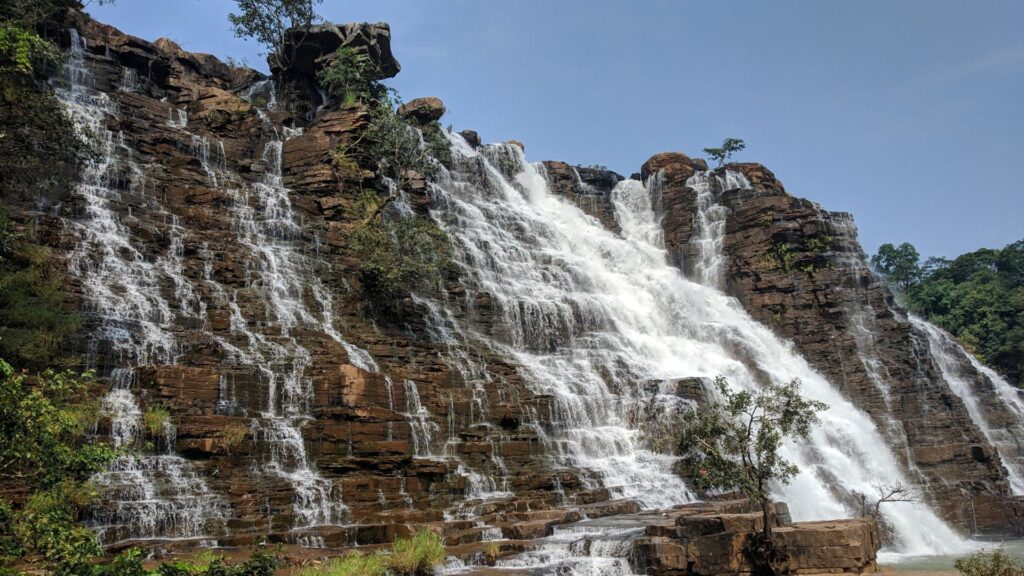
The crown jewel is undoubtedly the magnificent Chitrakote Falls, often called the “Niagara of India.” During the post-monsoon season, the Indravati River spreads across the entire width of the falls, creating a thunderous curtain of water that is impossible to forget.
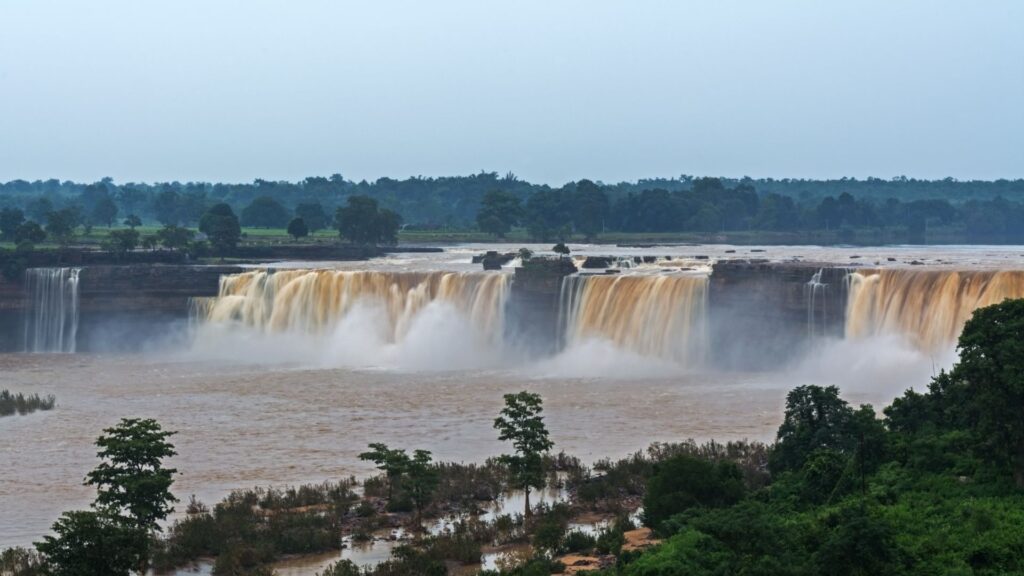
At Infinite Journeys, we ensure that your stay itself becomes an experience. From our accommodation, you can enjoy views of Chitrakote Falls, allowing you to witness its changing moods from sunrise to sunset.
Beyond Chitrakote, the region is dotted with breathtaking waterfalls such as Tirathgarh Falls, where water cascades down multiple limestone terraces amidst dense forest. Every waterfall in Bastar tells a different story, and together they create one of India’s most underrated waterfall circuits.
4. Beyond Old Perceptions: The New Bastar
For many years, Bastar was known in news headlines primarily because of Naxal-related issues. That perception kept many travellers away from one of India’s most fascinating destinations.
Today, the story is changing rapidly.
In 2026, Union Home Minister Amit Shah publicly declared Bastar to be Naxal-free, marking a significant milestone in the region’s journey towards peace, development and tourism-led growth. Government initiatives are increasingly focused on infrastructure, education, healthcare and tourism development across the region.
As a result, travellers are beginning to discover what locals have always known, that Bastar is one of India’s most culturally rich and naturally beautiful regions.
5. Into the Heart of Bastar’s Tribal World
What truly sets Bastar apart is not just its natural beauty but its people.
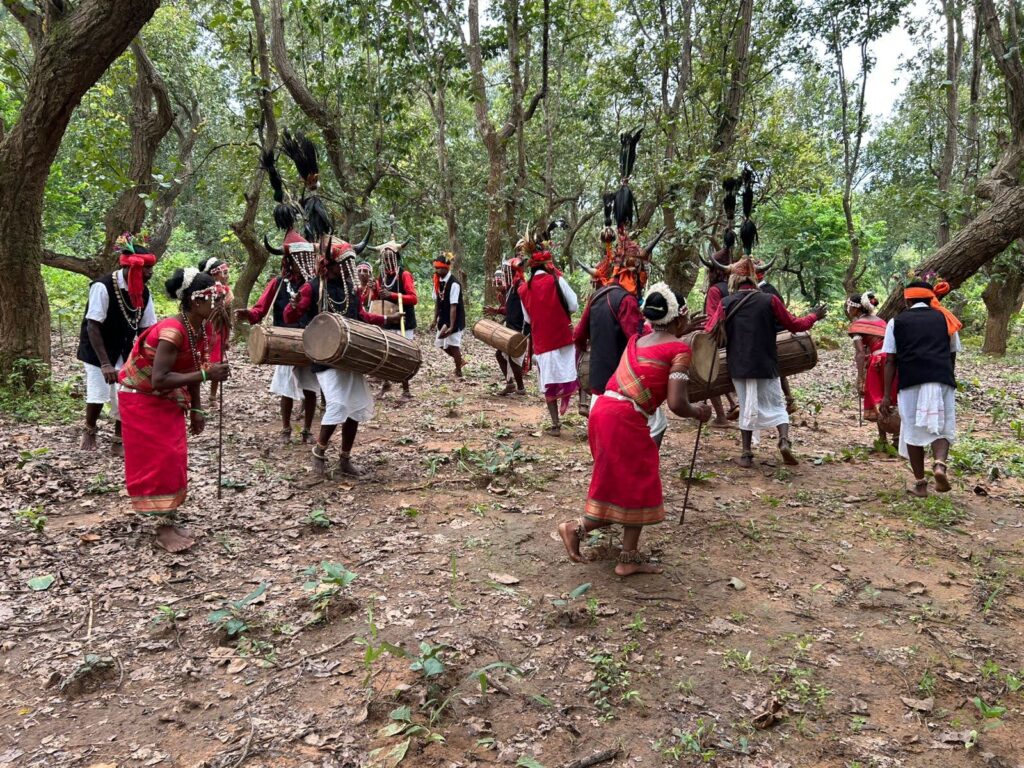
Bastar is home to nearly forty tribal communities, making it one of India’s richest cultural landscapes. The region is known for communities such as the Gond, Muria, Maria, Bison-Horn Maria, Halba, Dhurwa, Bhatra and Dorla tribes, each with distinct traditions, dialects, festivals, attire and ways of life.
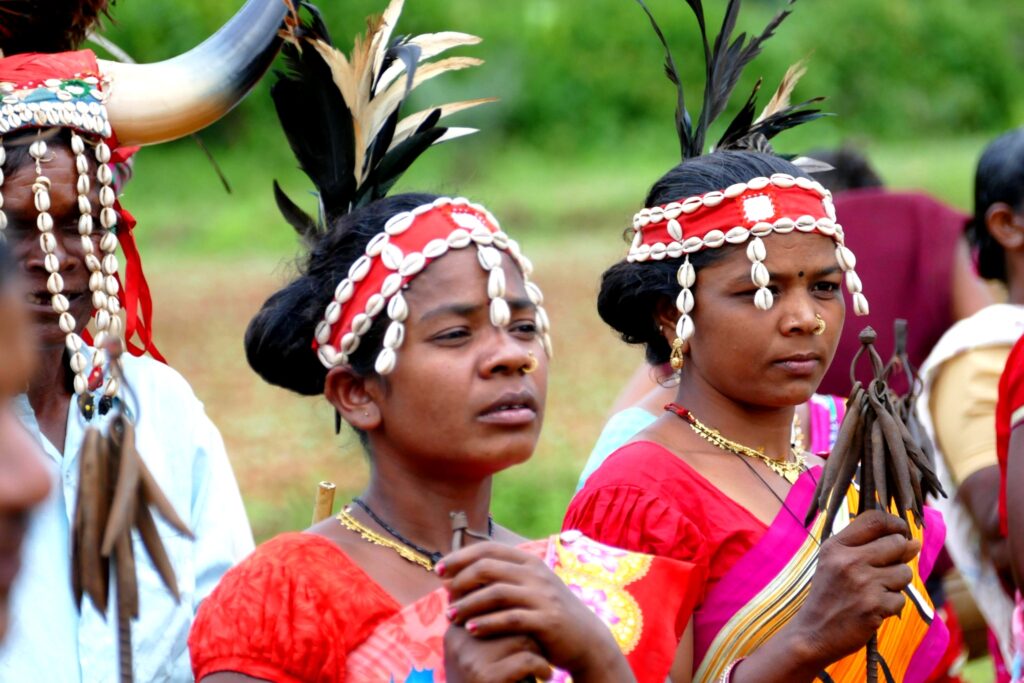
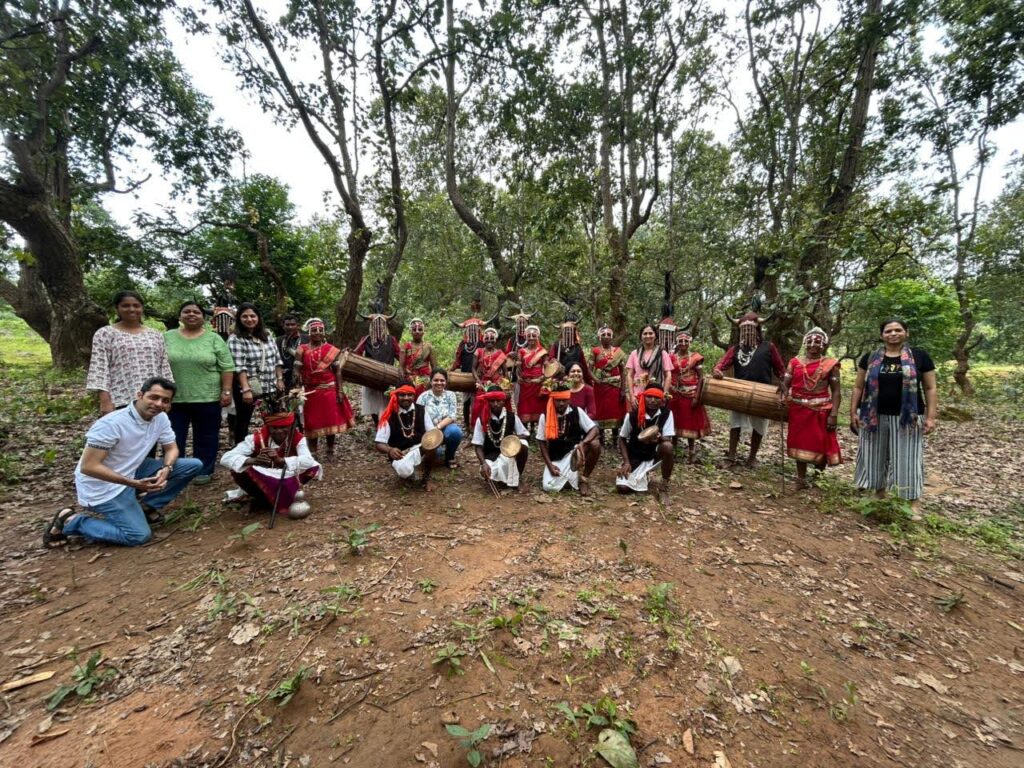
The Muria communities are known for their rich folk traditions, music and storytelling heritage. The Bison-Horn Maria are famous for their elaborate ceremonial dances and distinctive headgear inspired by bison horns. The Halba community has a long tradition of agriculture and weaving, while the Dhurwa and Bhatra tribes preserve unique customs that have evolved over centuries.
Unlike museums where culture is displayed behind glass, Bastar allows you to witness living traditions.
6. Exploring Bastar’s Culinary Traditions
Travel is incomplete without food, and Bastar offers flavours that are difficult to find elsewhere.
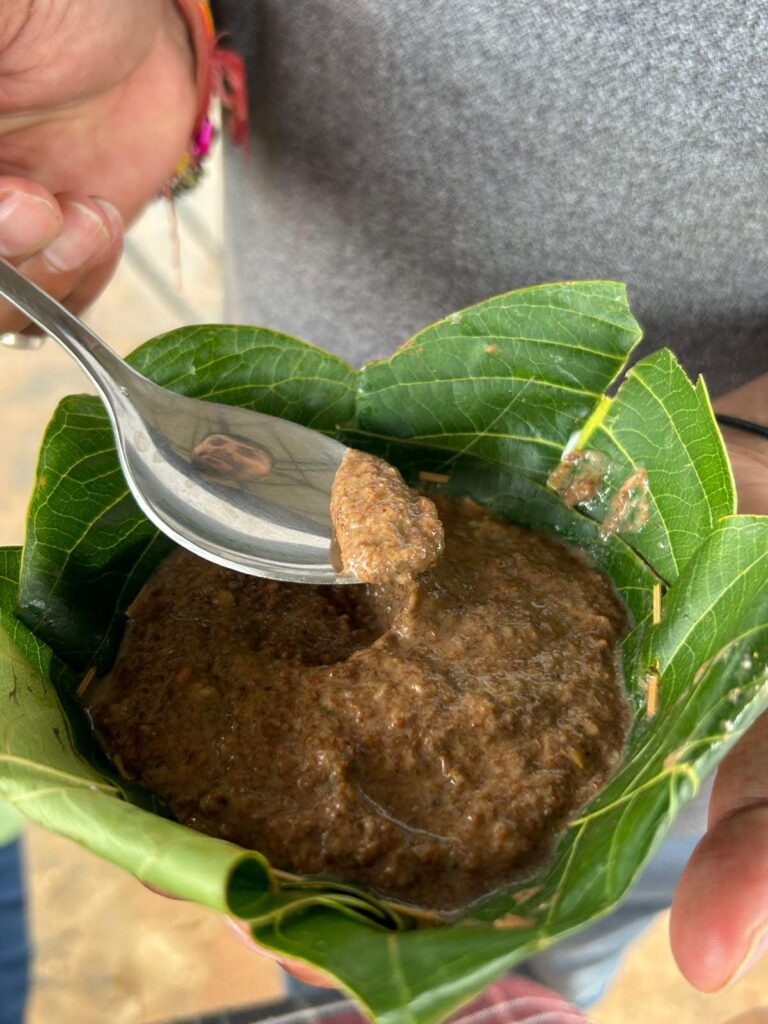
Bastar’s signature dish might be India’s most unusual.
It’s called Chaprah or Chapda Chutney—a fiery chutney prepared using red ants and their eggs. For tribal communities, it is both a delicacy and a part of traditional food culture. The flavour is intensely tangy, spicy and unlike anything most travellers have ever tasted.
But Bastar’s food story doesn’t end there.
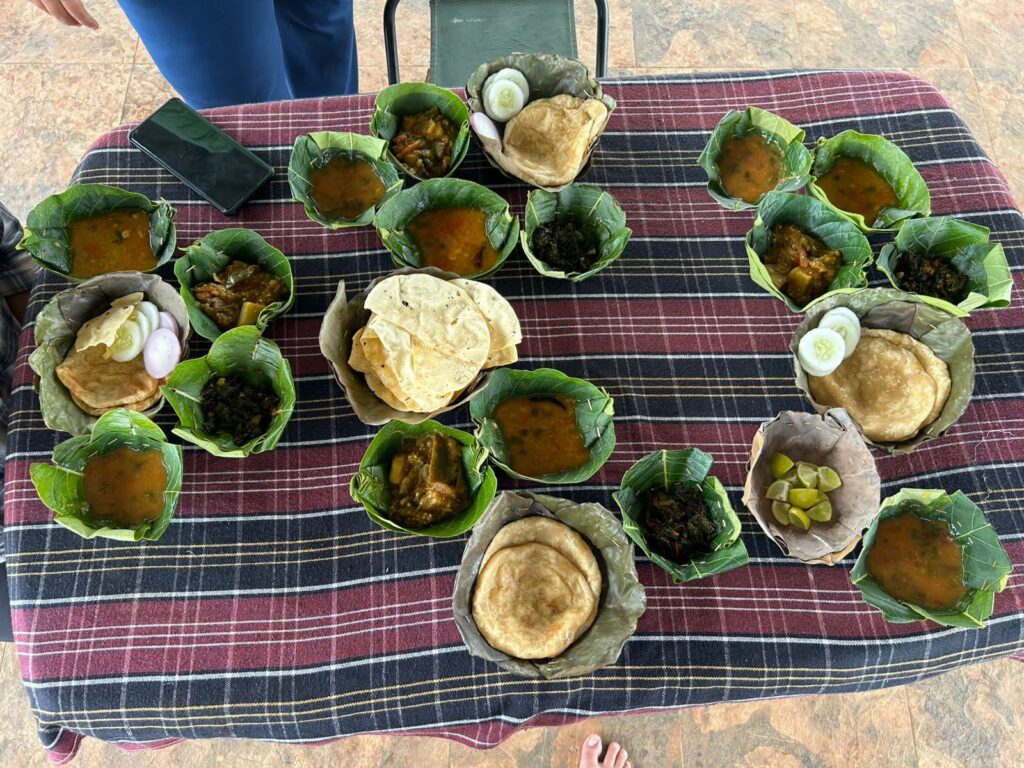
You can also experience traditional dishes such as:
- Angakar Roti – a rustic thick roti cooked over embers.
- Aamat – a tangy tribal curry often compared to Bastar’s answer to sambhar.
- Fara – steamed rice dumplings that are simple yet delicious.
- Patal Chutney – a fresh tomato-based chutney enjoyed across the region.
- Mahua-based preparations, which reflect the deep relationship between tribal communities and the forests around them.
The food is simple, local and rooted in generations of knowledge about the region’s natural resources.
Experiences You Will Not Find Elsewhere
A Bastar journey is not merely about sightseeing.
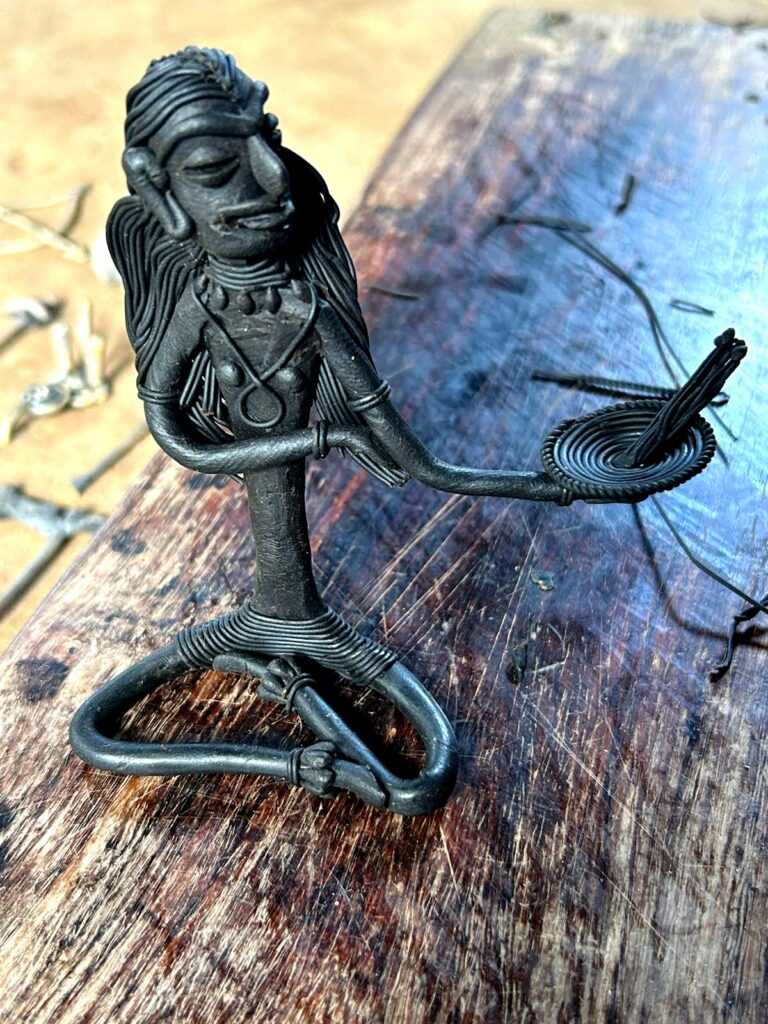
Our itinerary takes you beyond the usual tourist trail, allowing you to witness vibrant tribal dance performances, explore bustling local markets, and meet the artisans who create Bastar’s renowned handicrafts and tribal art forms.
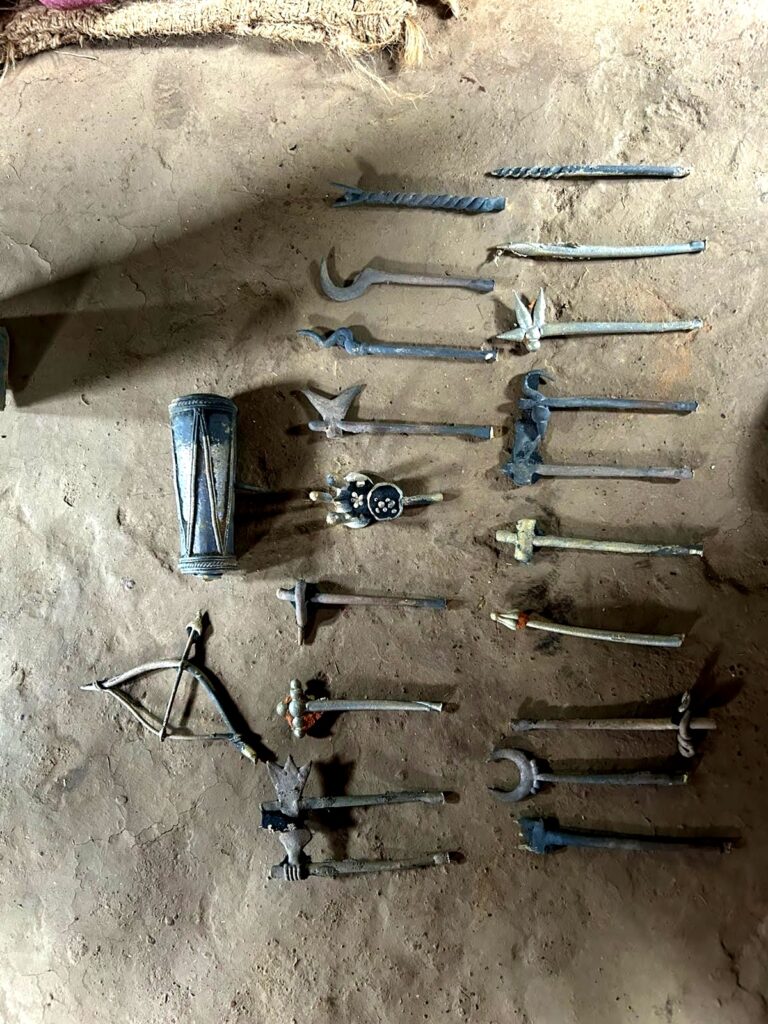
Local artisans create remarkable tribal metal crafts, woodwork, and indigenous art forms, preserving skills and traditions that have flourished for generations.Walking through these workshops offers a fascinating glimpse into a creative heritage that remains deeply connected to everyday life.
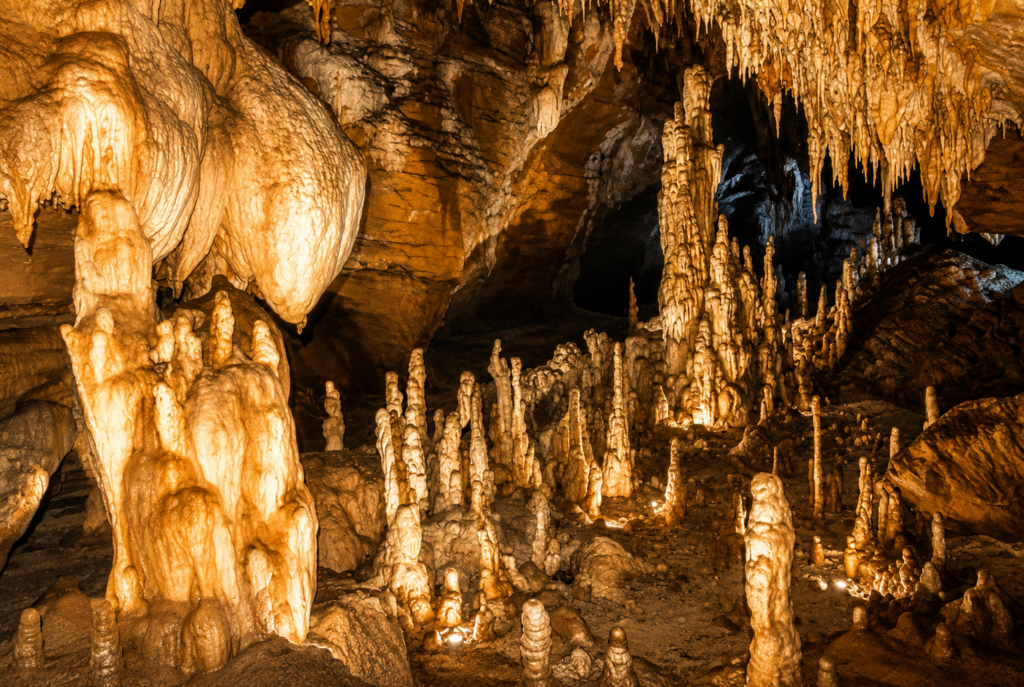
Beyond its waterfalls and forests, Bastar also hides some remarkable wonders beneath the ground. The region’s limestone caves offer a fascinating glimpse into nature’s artistry, with intricate stalactites and stalagmites shaped over thousands of years. Exploring these mysterious caverns feels like stepping into an ancient underground world untouched by time.
Why Bastar Should Be Your Next Holiday
There are destinations that impress you with luxury.
There are destinations that impress you with scenery.
And then there are destinations like Bastar, which stay with you because they offer something increasingly rare: authenticity.
Here, waterfalls thunder through ancient forests. Tribal traditions continue to thrive. Markets still function as community gatherings. Food reflects the land it comes from. Here life moves at a pace that reminds you what travel is meant to feel like.
So this Ganpati season, if you are looking to exchange loudspeakers for waterfalls, traffic jams for forest roads, and crowds for meaningful experiences, Bastar may be exactly the escape you have been searching for.
And four days are all it takes to fall in love with it.
📸 From the mighty Chitrakote Falls to vibrant tribal markets and hidden limestone caves, browse through moments from our previous Bastar tours.
👉 Ready to experience Bastar for yourself? Join our fixed departure this Ganpati and let us take care of the rest.