
Bhutan Overland Safari
 Wishlist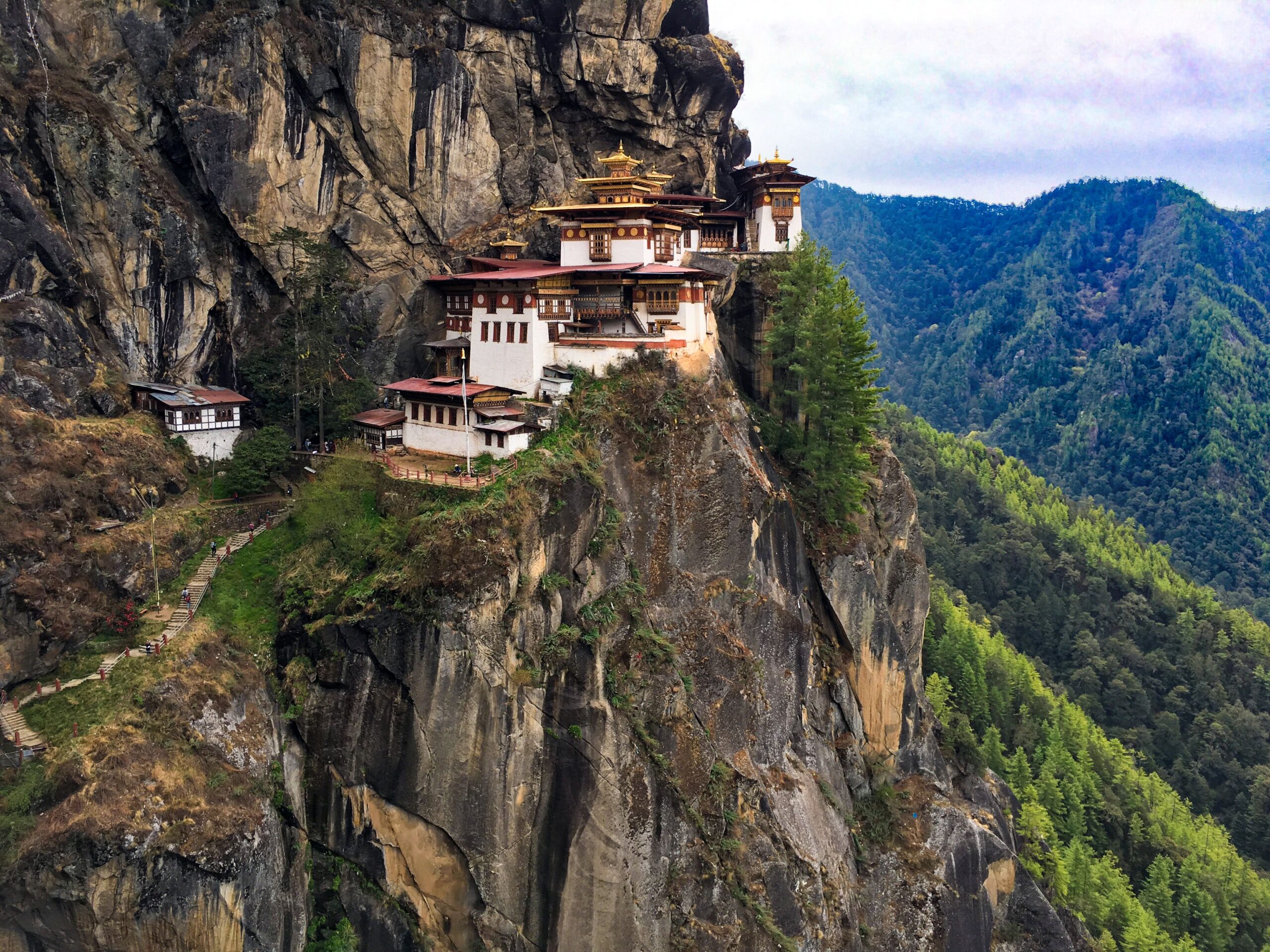
Price:
₹147950
Duration
11 Days
People:
15
Tour Overview
Tour Date: 01 October 2026 - 11 October 2026
Experience Bhutan unlike almost anyone else. Instead of the usual western circuit, this extraordinary overland expedition begins through the remote eastern gateway of Samdrup Jongkhar before traversing the entire kingdom across ancient monasteries, untouched villages, dramatic Himalayan passes and sacred valleys. Journey through the cultural heart of Bumthang, witness the pristine beauty of Gangtey, explore the historic capitals of Punakha and Thimphu, and conclude with the legendary Tiger's Nest Monastery in Paro. Designed for travellers seeking authentic experiences beyond the ordinary, this is Bhutan in its purest form.Tour Highlights
- Enter Bhutan overland through the rarely explored Samdrup Jongkhar frontier
- Explore the sacred monasteries of Eastern Bhutan, including Gomphu Kora & Drametse.
- Discover the spiritual heart of Bhutan in Bumthang Valley & the mystical Burning Lake.
- Visit the beautiful Gangtey Valley and the famous Black-necked Crane habitat.
- Cross the spectacular Dochu La Pass with panoramic Himalayan views.
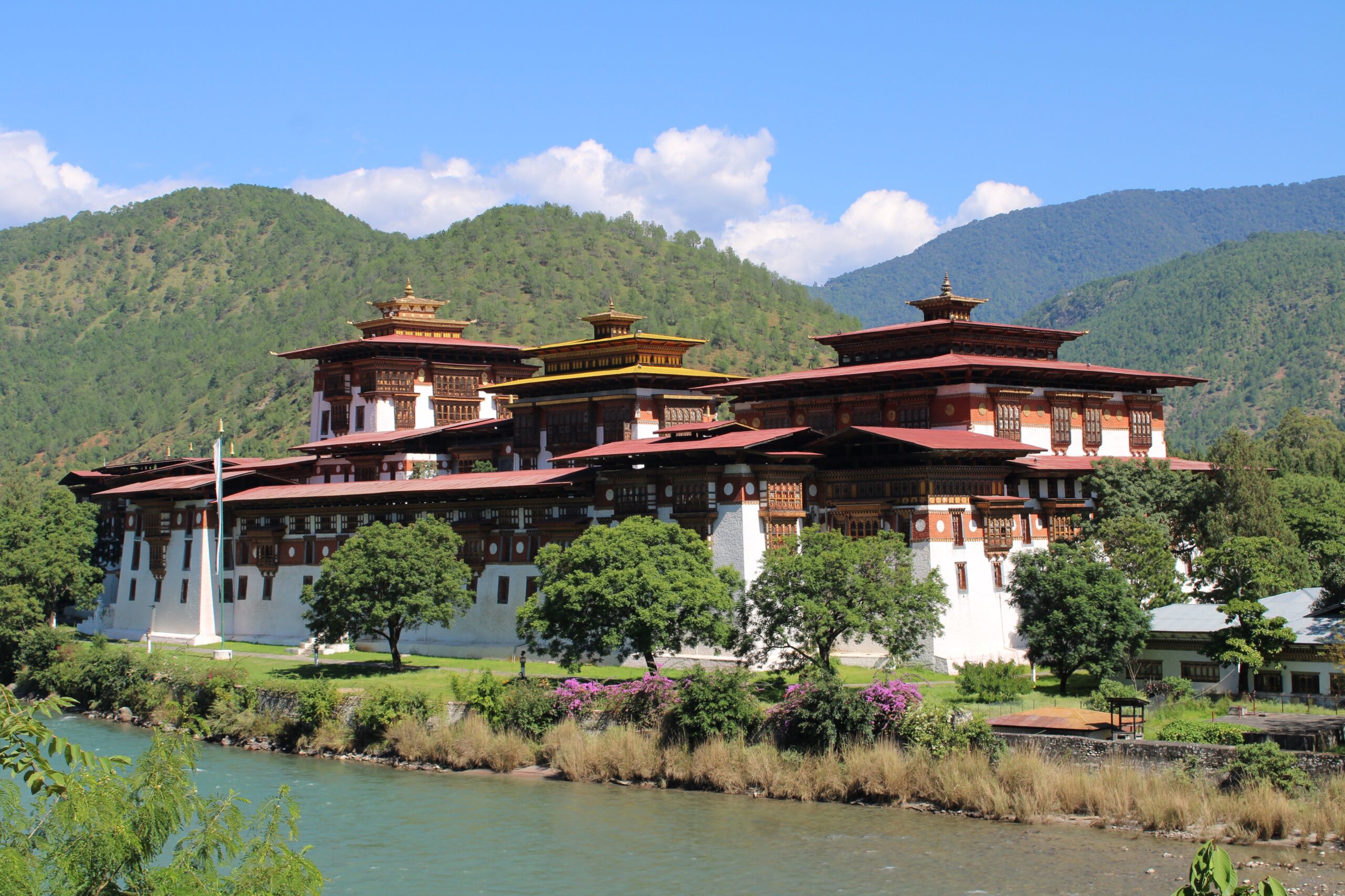
- Explore the iconic Punakha Dzong, Suspension Bridge & hike to Khamsum Chorten.
- Conquer the legendary hike to Tiger's Nest Monastery (Taktsang).
What’s Included
Not included
Tour Plan
-
Day 01 | Guwahati – Samdrup Jongkhar – Trashigang
Altitude: 1,200 m / 3,937 ft Distance: 175 km Drive: 5 Hours
Arrive at Guwahati Airport early in the morning and transfer by road to Samdrup Jongkhar for immigration and permit formalities before entering Bhutan. Continue through lush mountain roads into Eastern Bhutan and arrive at the charming town of Trashigang. Check into your hotel and relax after the day's scenic journey. Overnight: Trashigang -
Day 02 | Excursion to Trashi Yangtse
Altitude: 1,800 m / 5,906 ft Distance: 110 km (Round Trip) Drive: 3–4 Hours
Visit the sacred Gomphu Kora, one of Bhutan's most revered pilgrimage sites, famous for Guru Rinpoche's meditation cave. Cross the historic iron chain bridge built by Thangtong Gyalpo before exploring Trashi Yangtse, renowned for its traditional wooden handicrafts and artisan workshops. Overnight: Trashigang -
Day 03 | Trashigang – Mongar
Altitude: 1,838 m / 6,030 ft Distance: 80 km Drive: 2.5–3 Hours
Visit the historic Drametse Monastery, an important spiritual centre dating back to the 16th century and home to nearly eighty monks. Continue to the impressive Trashigang Dzong before driving across the scenic Kori La Pass where colourful prayer flags flutter against the Himalayan backdrop. Arrive in Mongar by evening. Overnight: Mongar -
Day 04 | Mongar – Bumthang
Altitude: 2,800 m / 9,186 ft Distance: 198 km Drive: 5.5–6 Hours
Drive through some of Bhutan's most picturesque mountain landscapes to reach the spiritual heartland of Bumthang. En route, visit the famous Chumey Weaving Centre, celebrated for its traditional handwoven woollen textiles. Check into your hotel and enjoy the peaceful surroundings. Overnight: Bumthang -
Day 05 | Explore Bumthang Valley
Altitude: 2,800 m / 9,186 ft
Spend the day discovering Bhutan's holiest valley. Visit the magnificent Jakar Dzong, Kurjey Lhakhang and Jambay Lhakhang, among Bhutan's oldest temples. Later, visit the mystical Mebar Tsho (Burning Lake), one of the country's most sacred pilgrimage sites. Overnight: Bumthang -
Day 06 | Bumthang – Gangtey (Phobjikha Valley)
Altitude: 3,000 m / 9,843 ft Distance: 159 km Drive: 4–4.5 Hours
Journey through scenic mountain roads into the glacial valley of Phobjikha. Visit the Black-necked Crane Information Centre and the beautiful Gangtey Monastery overlooking the valley before checking into your hotel. Overnight: Gangtey -
Day 07 | Gangtey – Punakha / Wangdue
Altitude: 1,273 m / 4,177 ft Distance: 85 km Drive: 3–3.5 Hours
Drive across the spectacular Dochu La Pass (3,080 m / 10,102 ft), offering breathtaking Himalayan panoramas on clear days. Visit the magnificent Punakha Dzong and walk across Bhutan's longest suspension bridge. If time permits, enjoy a short walk to the famous Chimi Lhakhang. Overnight: Punakha / Wangdue -
Day 08 | Khamsum Chorten Hike – Thimphu
Punakha Altitude: 1,273 m / 4,177 ft Thimphu Altitude: 2,320 m / 7,611 ft Distance: 70 km Drive: 3–3.5 Hours
Begin the morning with an easy 45-minute hike to Khamsum Yuelley Namgyal Chorten, rewarded with panoramic views over Punakha Valley. Later drive to Bhutan's charming capital city, Thimphu. Overnight: Thimphu -
Day 09 | Thimphu Sightseeing – Paro
Paro Altitude: 2,200 m / 7,218 ft Distance: 65 km Drive: 1.5–2 Hours
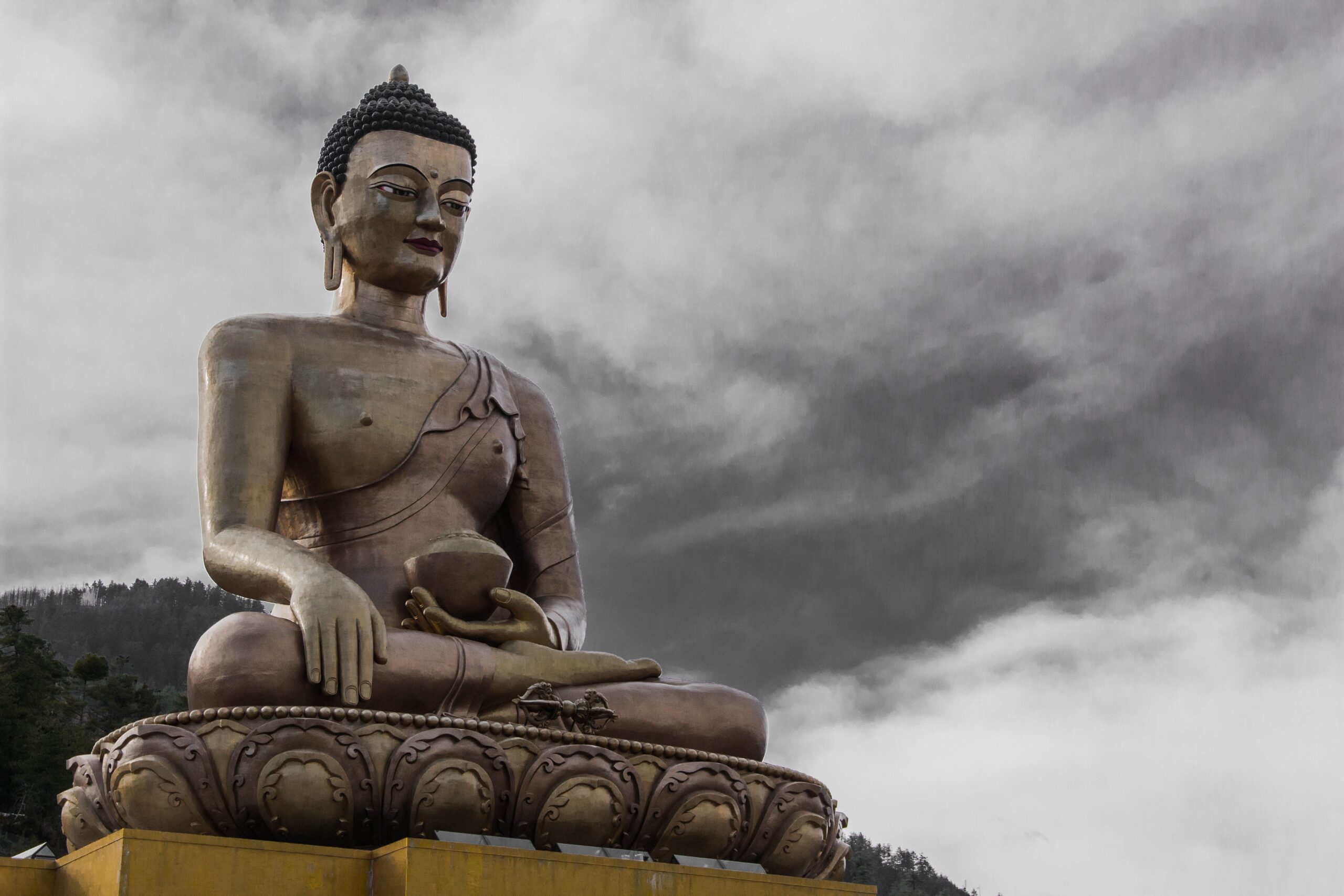
Explore Bhutan's capital with visits to Buddha Dordenma, Motithang Takin Preserve, the Institute for Zorig Chusum and Simply Bhutan Museum before driving to the beautiful valley of Paro. Overnight: Paro -
Day 10 | Tiger's Nest Hike
Altitude: 2,200 m / 7,218 ft Hike: 5–6 Hours (Round Trip)
Today's highlight is the unforgettable hike to Taktsang Monastery (Tiger's Nest), Bhutan's most iconic landmark dramatically perched on a cliff nearly 900 metres above the valley. Those preferring a relaxed day may instead enjoy sightseeing around Paro including Rinpung Dzong, National Museum and Kyichu Lhakhang. Overnight: Paro -
Day 11 | Paro Departure
After breakfast, transfer to Paro International Airport for your onward flight, carrying unforgettable memories from one of the world's last Himalayan kingdoms.
FAQs
1. When is the best time to visit Bhutan?
The best time to visit Bhutan is during March to May and September to November. Spring brings blooming rhododendrons and pleasant weather, while autumn offers crystal-clear Himalayan views, colourful festivals and ideal conditions for sightseeing across Paro, Thimphu, Punakha and Phobjikha.
2. Do Indian citizens need a visa to visit Bhutan?
No. Indian citizens do not require a visa to visit Bhutan. However, a valid Passport or Voter ID Card is required, along with the necessary entry formalities and permits. Our team assists guests with all documentation and travel procedures for a smooth border crossing.
3. What are the major attractions covered during the tour?
This overland journey covers Bhutan's iconic highlights, including Paro Taktsang (Tiger's Nest Monastery), Buddha Dordenma, Dochula Pass, Punakha Dzong, Punakha Suspension Bridge, Gangtey Monastery, Phobjikha Valley and the charming capital city of Thimphu, offering the perfect blend of culture, spirituality and Himalayan landscapes.
4. Is the Tiger's Nest Monastery hike difficult?
The hike to Tiger's Nest Monastery is moderately challenging and usually takes around 4–6 hours for the round trip, depending on your pace. Although it involves a steady uphill climb, most travellers with a reasonable level of fitness complete it comfortably while enjoying spectacular views of the Paro Valley.
5. What kind of accommodation is provided during the tour?
Accommodation is arranged in carefully selected comfortable hotels and resorts offering clean rooms, modern amenities and warm Bhutanese hospitality. The properties are chosen to provide a relaxing stay while keeping you close to the major attractions included in the itinerary.
6. What kind of weather can I expect in Bhutan?
Bhutan's weather varies with altitude and season. Days are generally pleasant for sightseeing, while mornings and evenings can be cool, especially in higher regions like Dochula Pass and Phobjikha Valley. Carrying warm layers is recommended throughout the year.
7. What currency is used in Bhutan, and are Indian Rupees accepted?
The official currency of Bhutan is the Ngultrum (BTN). Indian Rupees are widely accepted in most towns, hotels and shops, making travel convenient for Indian visitors. Carrying some cash is recommended for small purchases in remote areas.
8. What should I pack for the Bhutan Overland Safari?
Carry comfortable walking shoes, layered clothing, a light fleece or jacket, rain protection, sunglasses, sunscreen, personal medications, a reusable water bottle and a daypack. If you're visiting during spring or autumn, an extra warm layer is recommended for the cooler mountain regions and early mornings.