This Blog is by Dr. Veenu Madaan Hans, a dedicated dental health professional with a passion for travelling, writing, digital creativity, and Kathak dance. She enjoys blending her professional insights with art, culture, and storytelling.
Adi Kailash Travel Guide: The Journey That Went from Extreme Trek to Accessible Road Trip
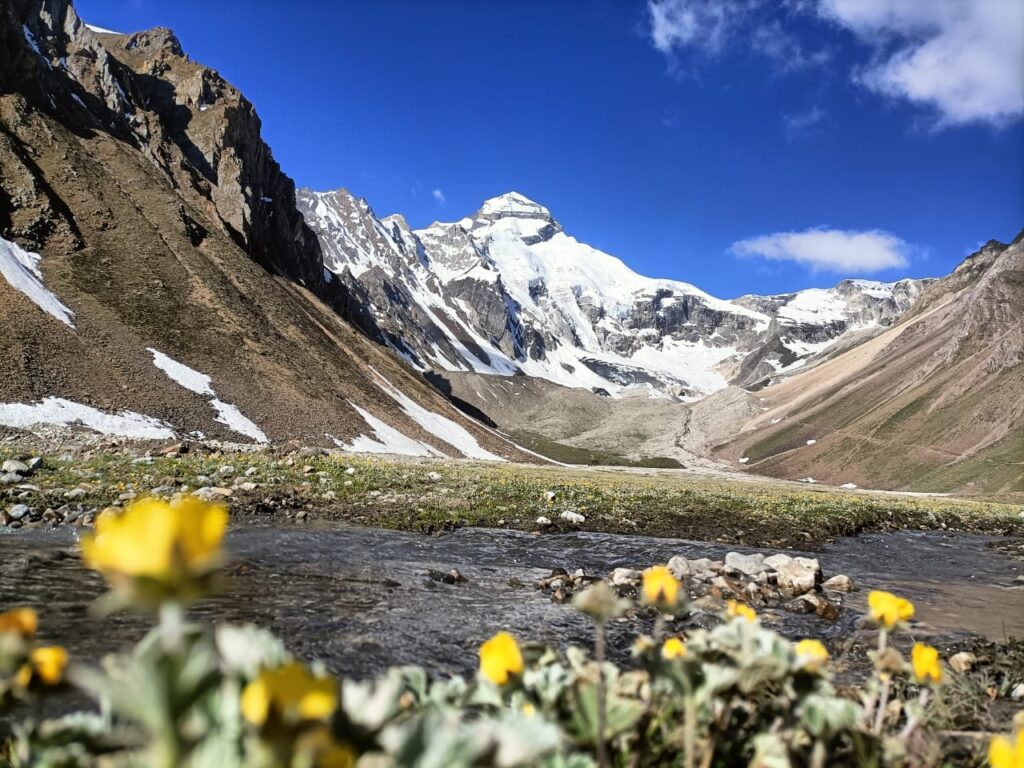
Adi Kailash also known as Chhota Kailash, is a sacred Himalayan Mountain located in the Pithoragarh district, near the Indo Tibetan border.
It is considered one of the most spiritually significant pilgrimage sites in India, often compared to Mount Kailash in Tibet. The mountain resembles Mount Kailash in shape, enhancing its spiritual appeal.
Adi Kailash is believed to be the earthly abode of Lord Shiva and Goddess Parvati. Pilgrims who cannot travel to Tibet for Mount Kailash often visit Adi Kailash as a spiritually accessible alternative.
From Trekking Trails to Mountain Roads: Reaching Adi Kailash
Reaching Adi Kailash today feels very different from what it once was. What used to be a physically demanding expedition has gradually transformed into a more accessible Himalayan journey. This change is all thanks to improved road connectivity.
The route typically begins from Kathgodam or Haldwani, slowly climbing into the mountains until you arrive at Dharchula. This is the last major town where you will find basic facilities and a sense of civilization before heading into remoteness.
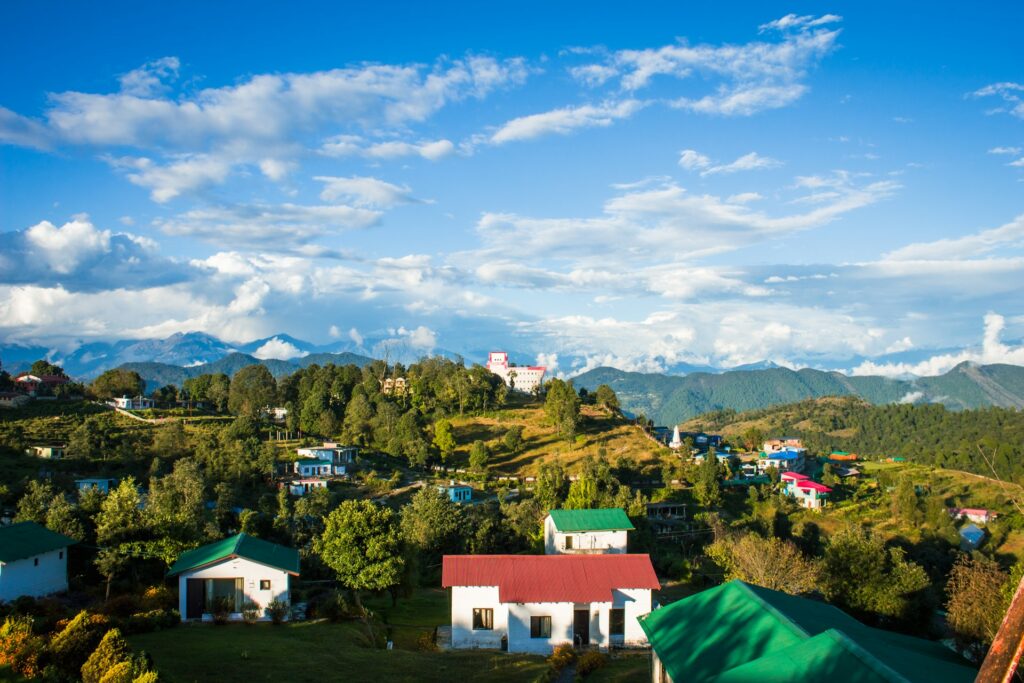
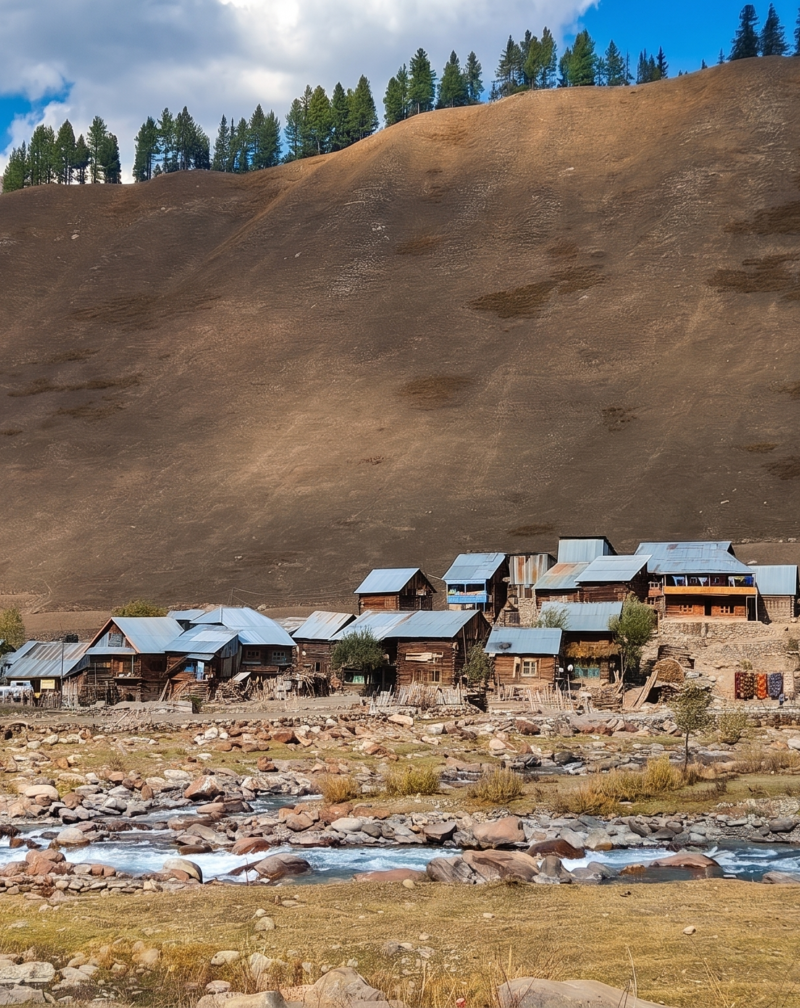
Beyond Dharchula, the landscape becomes wilder and more untouched as you move toward Gunji village. Gunji is a key transit point that now acts as the base for exploring Adi Kailash and nearby sacred sites like Om Parvat.
Today, well-built mountain roads carved through some of the most dramatic terrain in the region allow vehicles to reach surprisingly close to the final destination. The journey, while still long and remote, is no longer defined by exhausting treks, opening the doors for many more travellers and pilgrims to experience this sacred landscape.
Planning Your Journey: Permits and Best Time to Visit
A journey to Adi Kailash may feel more accessible today, but it still requires planning due to its sensitive location near the Indo Tibetan border. Travelers need to obtain an Inner Line Permit, which is mandatory for visiting this region, along with valid ID proof at multiple checkpoints along the route, especially beyond Dharchula.
Timing your visit can make all the difference to your experience. The months from May to June bring relatively pleasant weather, with clearer roads and comfortable temperatures, making it an ideal window for travel.
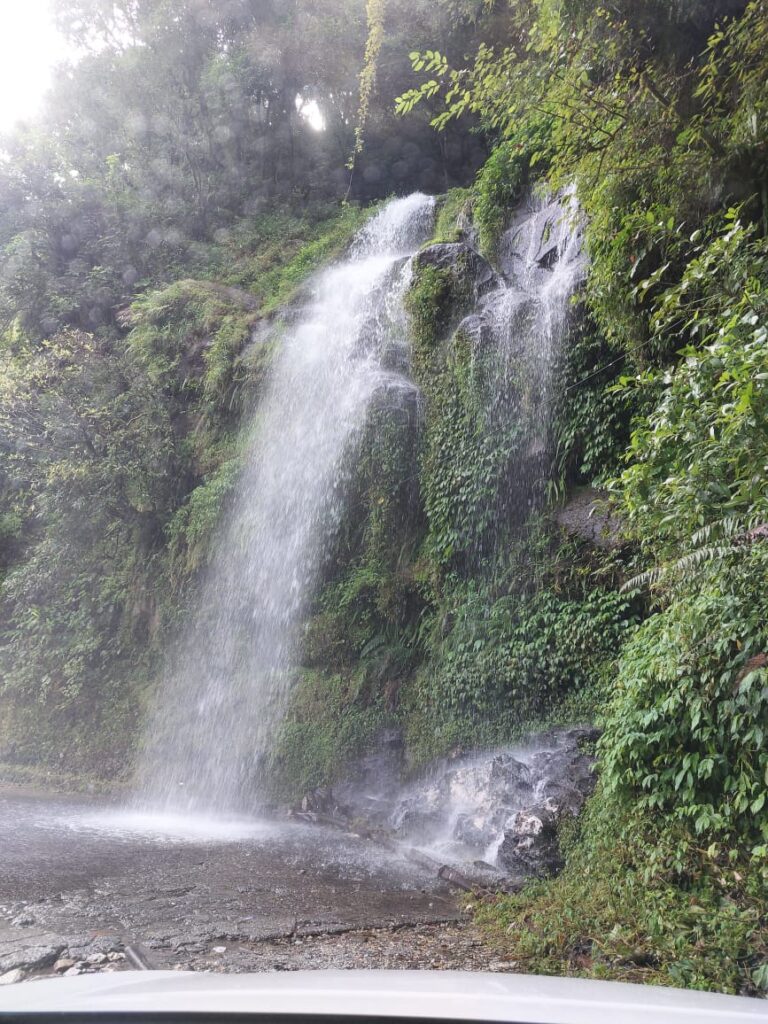
Another beautiful time is from September to October, when the monsoon has washed the mountains clean, leaving behind crisp skies and stunning uninterrupted views of the Himalayan peaks.
Avoid the monsoon season, as landslides and road blockages often disrupt travel plans and add uncertainty to the journey.
Why Visit Adi Kailash: Untouched Spiritual Sojourn
There are some places you visit for the views, and then there are places like Adi Kailash that you visit for how they make you feel. Often seen as a reflection of the sacred Mount Kailash, this journey offers a deeply spiritual experience, one that feels just as powerful, yet is accessible within India. For many, it becomes not just a trip, but a quiet pilgrimage inward.
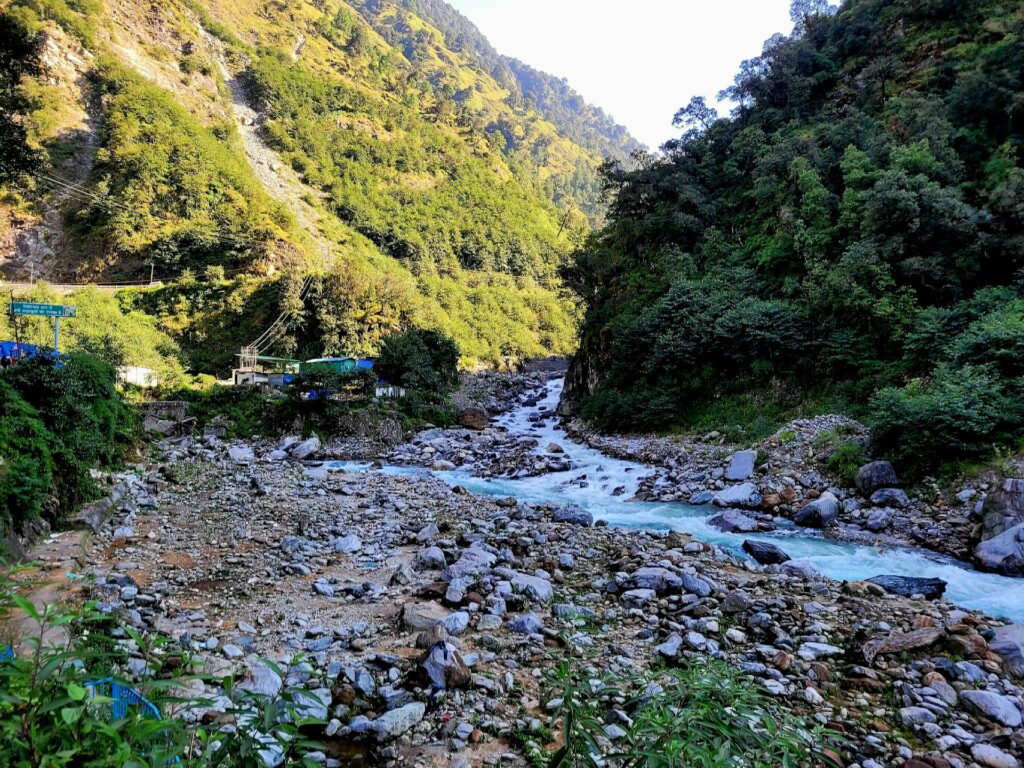
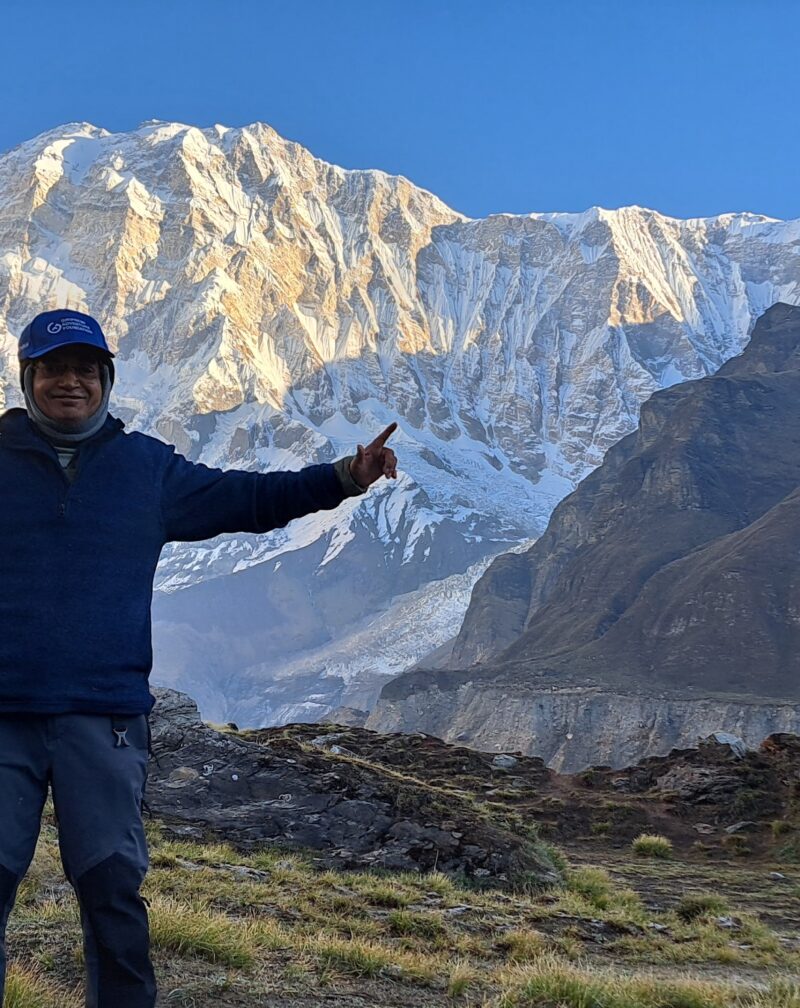
What makes Adi Kailash truly special is its raw, untouched beauty. Tourism has not overly shaped these landscapes. They remain wild, dramatic, and deeply calming. Snow clad peaks, glacial valleys, and high altitude silence come together to create an atmosphere that feels almost otherworldly.
And perhaps one of its biggest charms is what it does not have, crowds. Compared to many popular pilgrimage destinations, Adi Kailash still feels serene and unhurried, allowing you to truly absorb the experience rather than just pass through it.
Sacred Reflections of Parvati Sarovar and the Trail to Gauri Kund
Nestled at the base of Adi Kailash, Parvati Sarovar is a place of quiet stillness, where the mountain often reflects perfectly in its calm waters. The atmosphere here feels deeply peaceful, almost meditative. This place is believed to be closely associated with Goddess Parvati.
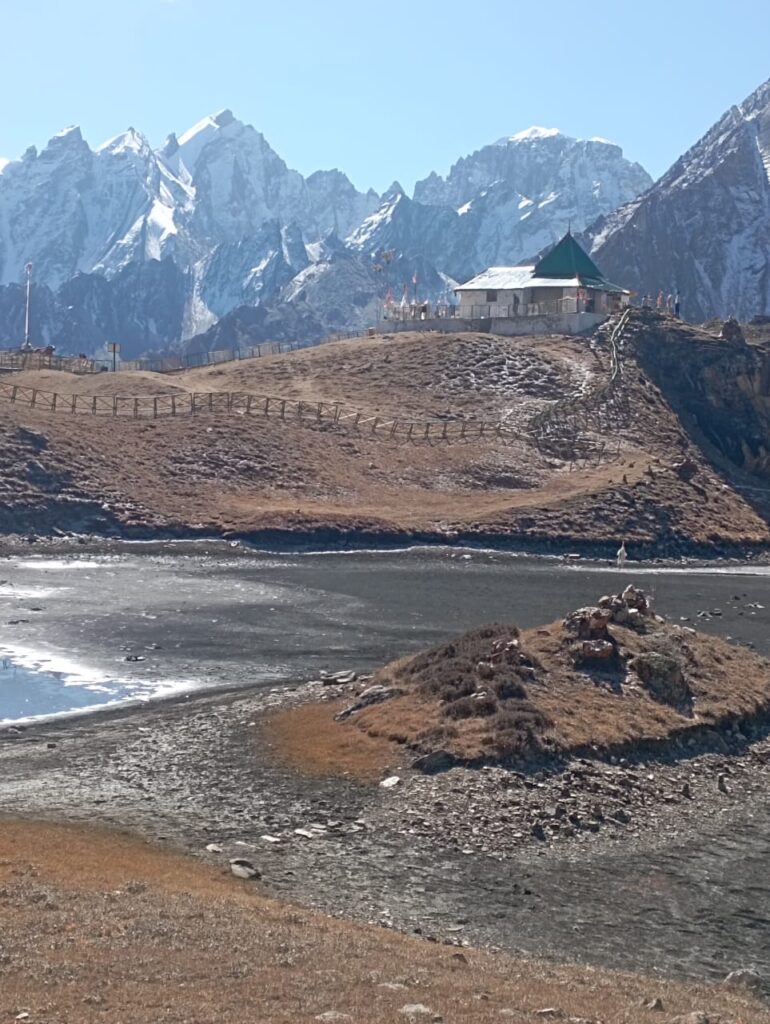
From the lake, a short yet meaningful walk leads to Gauri Kund. The trail is simple but feels significant at this altitude, winding through rugged terrain. Gauri Kund, a small sacred pond, is believed to be the spot where Goddess Parvati once bathed. It offers a serene, intimate space for reflection amidst the vast Himalayas.
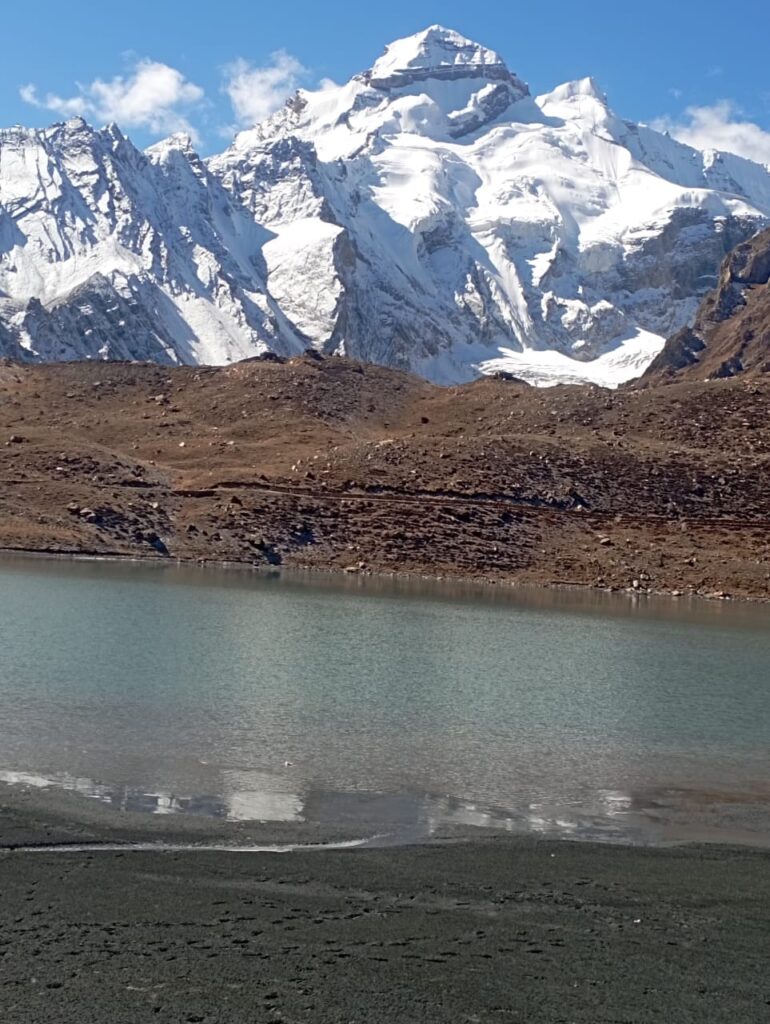
Om Parvat: The Sacred Mountain of the “ॐ”
A short journey from Gunji village leads you to one of the most fascinating sights in the region, Om Parvat. The route branches off toward Nabidhang, gradually gaining altitude as the landscape turns starker and more dramatic. Unlike a trek heavy approach, much of this journey can now be done by road. This makes destination relatively easier to reach while still feeling remote and high altitude.
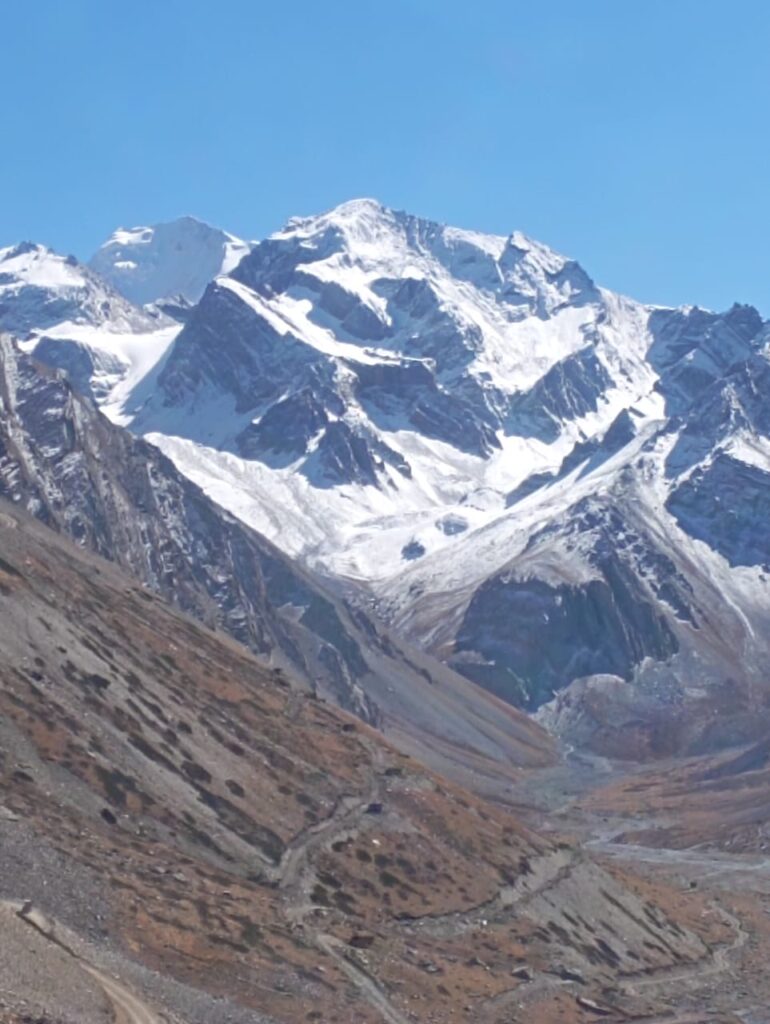
What awaits you is truly unique, a natural formation of snow on the mountain face that distinctly resembles the sacred “ॐ” symbol. Nature did not carve or create it deliberately; it simply formed this way, in a shape that feels almost unreal. Standing before Om Parvat feels unlike ordinary sightseeing. Against the vast Himalayas, the experience feels quietly powerful and deeply symbolic.
Adi Kailash Today: Road Access Wrapped in Sacred Silence
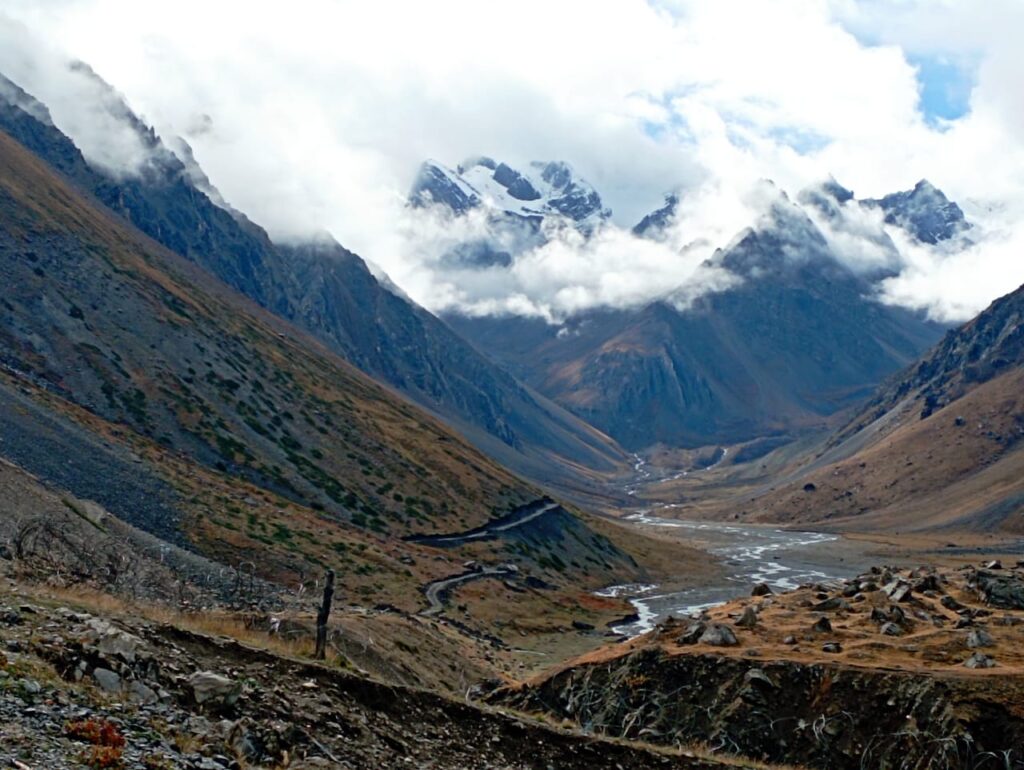
The journey to Adi Kailash has changed significantly with improved road connectivity. Vehicles can now reach much closer to the sacred sites. Shorter treks, better stays in Dharchula and Gunji village, and structured permits have made travel easier. Adi Kailash once demanded days of strenuous trekking. Today, travellers can experience it with far less physical strain, while its raw beauty and spiritual depth remain untouched.
Easier to Reach, Impossible to Forget
Some may wonder if easier access changes the soul of Adi Kailash. But standing by Parvati Sarovar, it still feels just as powerful, only more inclusive. The journey may no longer belong only to trekkers, yet the silence, the stillness, and the connection remain untouched. Even with better roads, the region has not turned crowded; it continues to hold its raw Himalayan charm. Avoid the monsoon season, as landslides and road blockages often disrupt travel plans and add uncertainty to the journey. The journey has become easier, but what you experience when you arrive is just as profound.
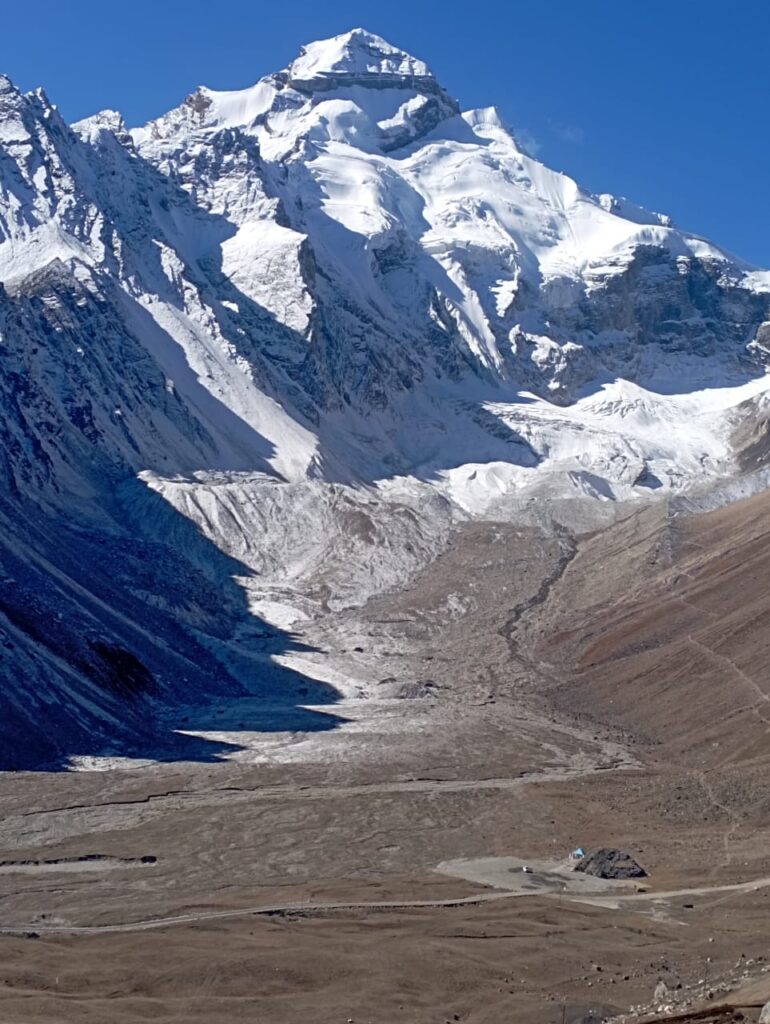
Ready to experience Sacred Adi kailash with a group of fellow travellers, click here to see details.
To get a glimpse of this sacred journey to Adi Kailash click here.